Eco-Friendly Laundry Tips for Sustainable Living
Most people think about recycling, reusable bags, and reducing plastic waste when they think of sustainability. Few realize that laundry is one of the most resource-intensive household chores performed every week.The average American family washes roughly 300 loads of laundry each year. Each load of laundry uses water, electricity,detergent chemicals and comes with the risk of fabric fibers entering waterways.
Why Eco Friendly Laundry Matters
.webp)
What Makes Traditional Laundry Harmful to the Environment?
Water Consumption
Every wash cycle requires fresh drinking-quality water.
Most people never see the cumulative impact because they're thinking about one load rather than a year's worth of laundry. When you wash your laundry, you don’t see all the energy required to bring the water back to usable quality.Energy is required at every step of the process from water treatment to water pumping.The environmental cost begins before the washing machine even turns on.
Energy Consumption
Many people assume dryers are the biggest energy problem. Energy Star found that in reality, approximately 90% of a washing machine’s energy use comes from heating water.This means that choosing hot or warm water significantly increases the environmental footprint and operating cost of each load. Switching to cold water washing is one of the simplest sustainability improvements.Cold water washes also reduces the risk of color bleeding, and extend the lifespan of your garments.
Chemical Pollution
Detergent ingredients don't simply disappear. Many of the chemicals enter into municipal wastewater systems,rivers,lakes and coastal ecosystems. The term "fragrance" on a detergent label can represent a mixture of individual chemical compounds, many of which are not disclosed publicly because they're considered proprietary formulations. Phosphates can lead to algal blooms and optical brighteners ,designed to attach to fabrics, may persist in the environment much longer than other compounds. Wastewater treatment plants reduce pollution but cannot remove every chemical.
Clothing Waste
Most sustainability discussions focus on washing machines. Poor laundry habits shorten clothing lifespan:overwashing,excessive dryer heat and harsh detergents cause premature wear out. This leads to more replacements, more textile waste in landfills and more resources used to manufacture new garments
Microplastic Pollution
Synthetic fabrics like polyester and spandex blends are essentially plastic.Every time these fabrics are washed, microfibers break away.Many are too small to be fully captured by wastewater treatment systems. Eventually they enter:rivers,lakes and oceans and can be consumed by aquatic life.Research from IUCN estimates approximately 35% of primary microplastics entering oceans originate from laundering synthetic textiles.
Eco Friendly Laundry Tips That Save Water
Wash Full Loads Instead of Partial Loads
Many machines use nearly the same amount of water regardless of whether they're half full or full.Water is wasted on small loads. Combining loads improves efficiency and reduces water consumption. Small loads can still be run for emergencies or delicate garments. This results in less water, less detergent, and less energy usage.
Stop Rewashing Clean Clothes
Many people wash clothes automatically after one wear.
Garments such as
- Jeans
- Sweatshirts
- Jackets
- Pajamas
don’t require frequent washes.
Reducing unnecessary washing saves water, energy and extends fabric life.
Upgrade to a High-Efficiency Washer
Compare older top-load machines with High -Efficiency (HE) machines. HE machines provide an improved drum design, better water distribution and have more efficient spin cycles. They use approximately 30% less water and 20% less energy than older models.
Create an Environmentally Friendly Laundry Routine That Uses Less Energy
Wash With Cold Water
Historically, hot water was necessary because detergents weren't effective at lower temperatures.Modern detergents are formulated differently. Using enzyme technology and improved surfactants; detergents perform well under cold-water washes. Hot water washes can still be used sanitize bedding, and to clean heavily soiled items
Use Shorter Cycles Whenever Possible
People often assume longer cycles clean better. This isn’t necessarily true. Each cycle comes with its own balance of water usage, cleaning performance and energy consumption.
Quick wash cycles
For lightly soiled laundry, a quick wash can provide the same practical cleaning result as a much longer cycle while using less water and energy.
Garments like :
- Clothes worn for a few hours
- Office attire
- T-shirts without stains
- Gym clothes with light perspiration
Can go fit into a quick wash. The cycle takes around 15-30 minutes and gives the same result as a longer cycle.
Normal cycles
Many households use heavy-duty cycles when a normal cycle would clean clothes just as effectively.
This includes everyday laundry:
- T-shirts
- Jeans
- Socks
- Underwear
- Casual clothing
A normal cycle takes a duration of 45-60 minutes, balancing cleaning performance, energy usage and fabric care.
Heavy-duty cycles
Heavy-duty cycles are valuable when clothes genuinely need deeper cleaning, but they shouldn't be the default setting.
Use for:
- Muddy clothes
- Work uniforms
- Sports uniforms
- Heavily stained garments
- Dirty towels
The typical duration is 60-120 minutes. Heavy duty cycles consist of more agitation, extra rinses and warmer temperatures, leading to an overall longer cycle.
This level of cleaning and agitation is unnecessary for most clothing and can lead to wear and tear of garments; while also harming the environment.
Improve Dryer Efficiency
Dryers are among the most energy-intensive household appliances, so improving drying efficiency can significantly reduce your laundry routine's environmental impact. Small changes can shorten drying times, lower utility bills, and reduce wear on clothing. Cleaning lint filters, and separating fabric weights can go a long way.
Air Drying: The Most Underrated Eco Friendly Laundry Tip
.webp)
Why Air Drying Has Such a Big Impact
Unlike efficiency improvements, air drying removes dryer energy use entirely. It requires zero electricity and natural gas, while also increasing clothing lifespan.
Why Clothes Last Longer
Dryer heat weakens elastic fibers, causes shrinkage and fades dyes. On excessive exposure to high temperatures, the fabric structure breaks down. Graphic tees start to lose text, and workout clothes sag out over time.
Practical Air Drying Solutions
For apartments, small homes and condos air drying might seem impossible. Instead of having a designated area of your home set out for air drying, foldable drying racks allow you to be sustainable while saving space. Apartment balconies receive great airflow, outdoor clotheslines can also be established.
Choosing an Eco Friendly Laundry Detergent
What Actually Makes a Detergent Eco Friendly?
Many products market themselves as "green." Make sure to check ingredients, packaging, concentration and certification labels if any, to make sure that your detergent is actually eco-friendly.
Ingredients to Look For
Keep an eye out for plant-based surfactants, biodegradable ingredients and concentrated formulas. They result in less pollution, less packaging waste and lower transportation emissions.
Ingredients to Avoid
Phosphates
Phosphates can contribute to algae blooms, leading to water pollution and contamination.
Optical Brighteners
Even after consistent water treatment, optical brighteners may still persist in water ways, polluting the water and killing marine life.
Excess Fragrance
Ingredients that say ‘fragrance’ usually contain over hundreds of unlisted chemicals.
Chlorine Bleach
Detergents that have whitening properties may contain chlorine bleach, which when used in large quantities, enter waterways and kill aquatic animals.
Common Laundry Habits That Aren't Actually Sustainable
Using Too Much Detergent
More detergent doesn’t mean cleaner clothes. Excess detergent often requires additional rinsing making your wash cycle longer.
Using Fabric Softener Every Load
Unlisted chemicals are often found in fabric softeners. Frequent use of softeners can lead to potential residue buildup and packaging waste. Wool dryer balls are a better alternative.
Overloading the Washer
Overloading your washer prevents proper cleaning of your laundry. More rewashing will be necessary to result in clean, fresh laundry.
Make Laundry Easier With NoScrubs
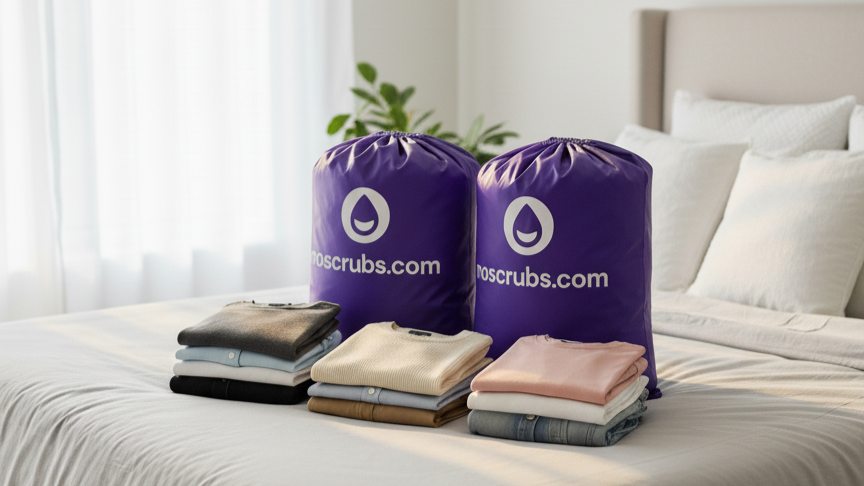
Sustainable habits often fail because of time constraints and busy schedules. Professional laundry services provide consistent garment care to help your clothing last longer, prevent overwashing and fabric damage.Pickup and delivery eliminates time spent driving to laundromats, giving you more time to relax and reset.
Whether you’re trying to save time, simplify your routine, or build more sustainable habits, NoScrubs makes laundry easier and quicker- with estimated dropoffs of 4 hours. Schedule your first pickup today to spend less time doing laundry and more time enjoying your day.